Health and Safety Policy for Landscapers Limegarden
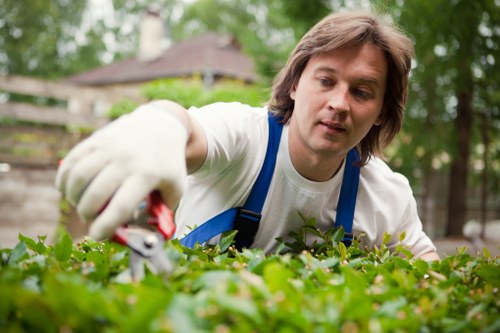 Landscapers Limegarden is committed to maintaining a safe, organised, and professional working environment for employees, subcontractors, clients, and members of the public. This health and safety policy sets out the standards expected across all landscaping activities, from routine grounds maintenance to larger outdoor projects. We recognise that landscaping work can involve manual handling, powered equipment, changing weather, uneven terrain, and interaction with waste materials, so our approach is built around prevention, planning, and accountability.
Our aim is to reduce risks before work begins and to respond quickly if conditions change. Every site is assessed for hazards such as slippery surfaces, underground services, restricted access, sharp tools, and moving machinery. We require all workers to use safe methods, wear suitable protective equipment, and follow instructions designed to protect both people and property. This policy applies to all activities carried out by Landscapers Limegarden, including garden clearance, turfing, planting, pruning, hard landscaping, and rubbish removal associated with landscaping tasks.
 Good safety practice is part of everyday work. It is not treated as an optional extra or a one-time action. Team members are expected to remain alert, report concerns immediately, and stop work if a task becomes unsafe. Managers and supervisors are responsible for making sure risk controls are in place, workers are competent for the duties assigned to them, and equipment is fit for use. Where specialist operations are involved, only trained and authorised personnel may carry them out.
We adopt a structured approach to risk management. Before work starts, the site is reviewed to identify likely hazards and determine the safest working method. This includes checking for weather-related risks, public access issues, unstable ground, and the presence of rubbish, soil, green waste, or discarded materials that could cause trips, cuts, or contamination. Any waste generated during the job is handled responsibly, with materials separated where possible and stored so they do not obstruct walkways or create additional danger.
Personal protective equipment must be used when required. Depending on the task, this may include gloves, safety footwear, eye protection, hearing protection, high-visibility clothing, and dust masks. PPE is only effective when it is worn correctly, maintained properly, and replaced when damaged. Workers must also use tools and machinery according to manufacturer instructions, perform basic pre-use checks, and report faults immediately. Unsafe equipment must be removed from service until repaired or replaced.
 Manual handling is a significant concern in landscaping work. To reduce strain and injury, heavy or awkward loads should be assessed before lifting, and mechanical aids used whenever practical. Team lifting should be arranged for bulky items such as turf rolls, stones, planters, soil bags, and waste containers. Staff are expected to use safe lifting techniques, avoid twisting under load, and ask for assistance when a task feels beyond their capacity. Safe lifting is a core control measure across all operations.
Powered tools and machinery are used only by competent individuals who understand the risks involved. This includes items such as mowers, trimmers, saws, blowers, compactors, and cutting equipment. Guards and safety features must never be bypassed. Fuel, charging, and storage arrangements should prevent fire, leaks, and accidental ignition. During use, workers must keep clear of bystanders, maintain a safe working zone, and switch equipment off before adjustments, cleaning, or transport.
We also take the safety of the public seriously. Because landscaping often takes place in visible, accessible environments, work areas should be marked, controlled, and kept as tidy as possible. Tools should not be left unattended, sharp objects must be secured, and loose waste should be collected promptly. Where the work involves removal of rubbish or clearance of overgrown spaces, extra care is needed to check for hidden glass, metal, animal waste, syringes, or other hazardous items. Such materials must be isolated and dealt with in line with safe disposal procedures.
 Emergency preparedness is an important part of this policy. First aid supplies should be available, and at least one person on site should know the location of the kit and the emergency process. Serious injuries, near misses, equipment failures, and hazardous incidents must be reported without delay so that action can be taken. Weather conditions, especially heat, cold, high winds, and heavy rain, must be monitored carefully. Work should pause or be modified when conditions create unacceptable risk. Safety always takes priority over speed or convenience.
Training and supervision are essential to maintaining high standards. New workers must receive an induction covering site behaviour, equipment use, waste handling, emergency procedures, and the reporting of hazards. Refresher training should be provided where needed, particularly after process changes, incidents, or the introduction of new machinery. Supervisors must lead by example, correct unsafe practices early, and ensure that team members understand their responsibilities.
Housekeeping is another important control. Work areas should be kept clear of offcuts, packaging, tools, cords, and waste to reduce trip hazards and maintain efficient movement around the site. Any rubbish produced through landscaping activities should be sorted, contained, and removed in a tidy manner. Where possible, reusable materials should be separated from general waste, and all disposal must be consistent with safe and lawful handling methods. Clean, orderly sites support both productivity and safety.
 This policy will be reviewed regularly to make sure it remains effective and suitable for the types of projects Landscapers Limegarden undertakes. Reviews may also be carried out after incidents, significant changes in work methods, or updates to equipment and processes. Everyone working on behalf of the business is expected to support this policy, follow safe systems of work, and contribute to a culture where hazards are identified early and managed properly. By working together, we can deliver landscaping services that are safe, reliable, and professionally managed at every stage.

